
Scientists Uncover New Details About Early Homo erectus
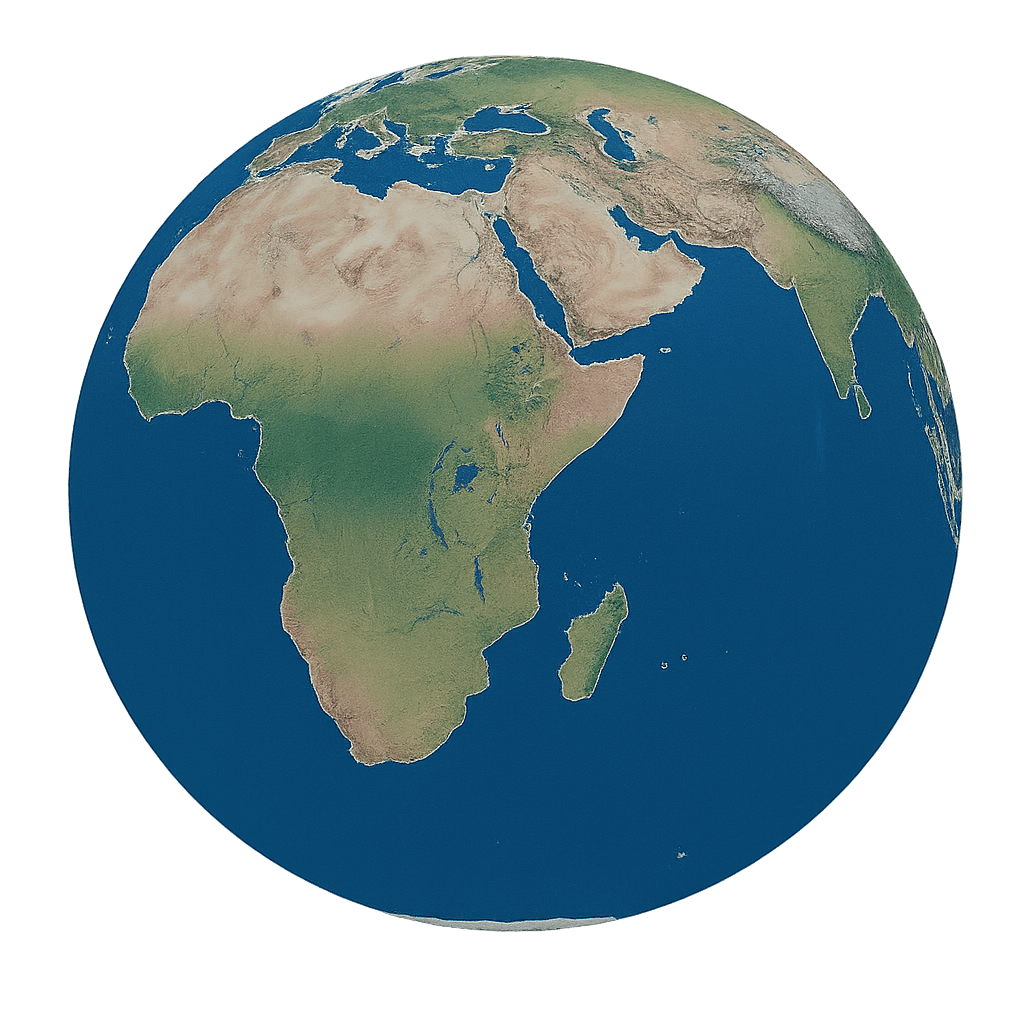
The specimen, referred to as DAN5, was found at the Gona archaeological site in Ethiopia’s Afar region. It is estimated to be between 1.5 and 1.6 million years old, as detailed in a study released Tuesday in the scientific journal Nature.
A global team of researchers, headed by paleoanthropologist Karen Baab of Midwestern University near Chicago, employed sophisticated three-dimensional scanning and modeling methods. By merging preserved facial bone fragments with a braincase described in earlier research, they were able to generate a detailed digital reconstruction of the face.
Experts involved in the study report that the recreated face displays an unexpected blend of features. Although the braincase matches the well-known traits of Homo erectus, the facial structure and teeth closely resemble those of far more ancient human ancestors.
This unusual mix implies that early Homo erectus groups exhibited greater physical variation than scientists had traditionally assumed.
The researchers note that these results prompt fresh debate about the beginnings and early evolutionary path of Homo erectus.
The retention of primitive facial traits suggests that certain African populations may have preserved ancestral characteristics long after the species started expanding throughout Africa and eventually into Eurasia.
Legal Disclaimer:
MENAFN provides the
information “as is” without warranty of any kind. We do not accept
any responsibility or liability for the accuracy, content, images,
videos, licenses, completeness, legality, or reliability of the information
contained in this article. If you have any complaints or copyright
issues related to this article, kindly contact the provider above.
Legal Disclaimer:
EIN Presswire provides this news content "as is" without warranty of any kind. We do not accept any responsibility or liability for the accuracy, content, images, videos, licenses, completeness, legality, or reliability of the information contained in this article. If you have any complaints or copyright issues related to this article, kindly contact the author above.
